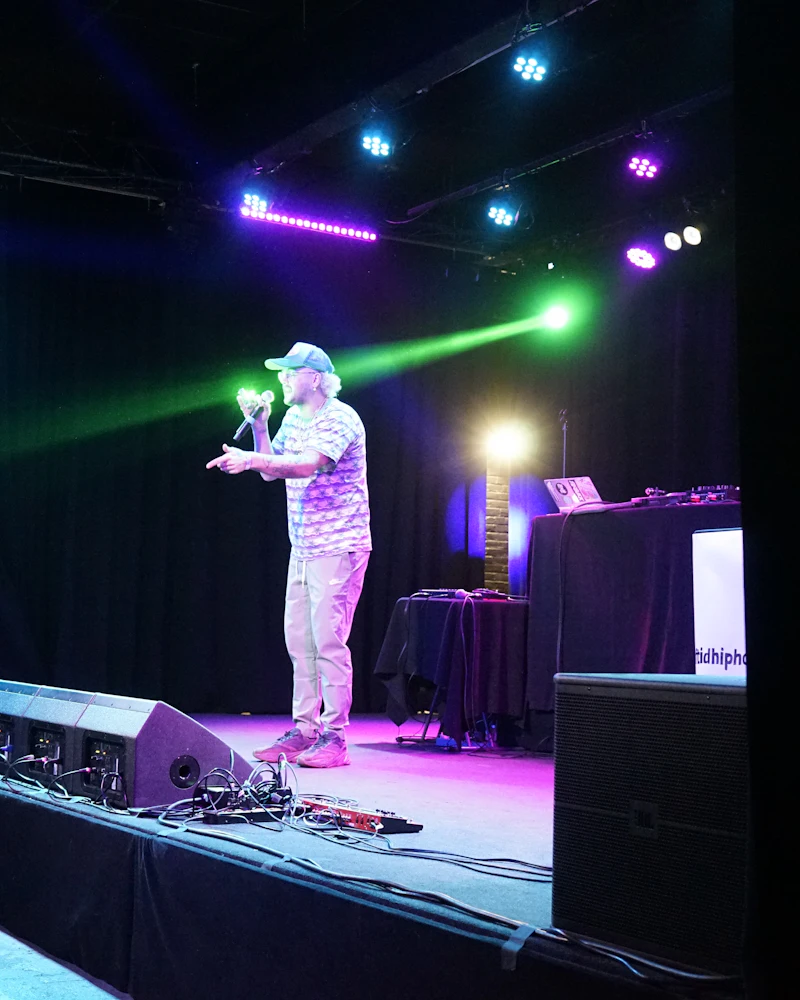
We’ve promoted family shows like SC Monster Truck Madness and touring comedians like Peter Fogel. Those are very different crowds. A monster truck show sells to parents within driving distance, and a comedy tour has to find its audience again in every city on the schedule.
So we don’t run one campaign and hope. Each event gets its own audience, creative, and budget, built around who buys that kind of ticket.
A Short Sales Window, Used Well
Tickets tend to sell in two bursts: right after the announcement and in the last stretch before the show. We plan spend around both and keep retargeting running in between, so people who looked once see the event again.
Early-bird deadlines, price increases, and low-ticket warnings give people a reason to buy now.
See What Every Ad Dollar Sold
We track ticket-link clicks, checkouts, and purchases wherever your ticketing platform allows it. You can see which ads and which cities are selling.
If one market is behind two weeks out, we move budget while there’s still time to fix it.
The Plan Behind a Full House
Every plan starts with three things: the on-sale date, the venue’s capacity, and how many tickets you need to sell.
From there we build the landing page, the paid media, and the email and social schedule that carry the event from announcement to showtime.
Earlier is better. For many events, 8 to 12 weeks is enough time to announce the show, build interest, retarget people who looked, and push the final week. If your date is closer than that, we can build a shorter plan around the time you have.
Both. A single date gets one focused campaign. A tour gets separate targeting, budgets, and reporting for each city, with the same branding and offer across all of them.
We report on ticket-link clicks, checkout activity, purchases when the platform shares them, cost per sale, and return on ad spend. You get those numbers while tickets are still on sale, and we adjust the campaign based on them.
Boosted posts get reach, and reach alone doesn’t sell tickets. A ticket campaign needs the right audience, a landing page that makes buying easy, purchase tracking, and retargeting for people who didn’t buy the first time. We set all of that up and manage it through showtime.
Yes. The landing pages, creative, audience data, and reports belong to you. Reusing them for the next date or the next city gives that campaign a head start.
Let’s Fill the Venue
Tell us the event, the date, and how many tickets you need to sell. We’ll build a plan around the time you have.